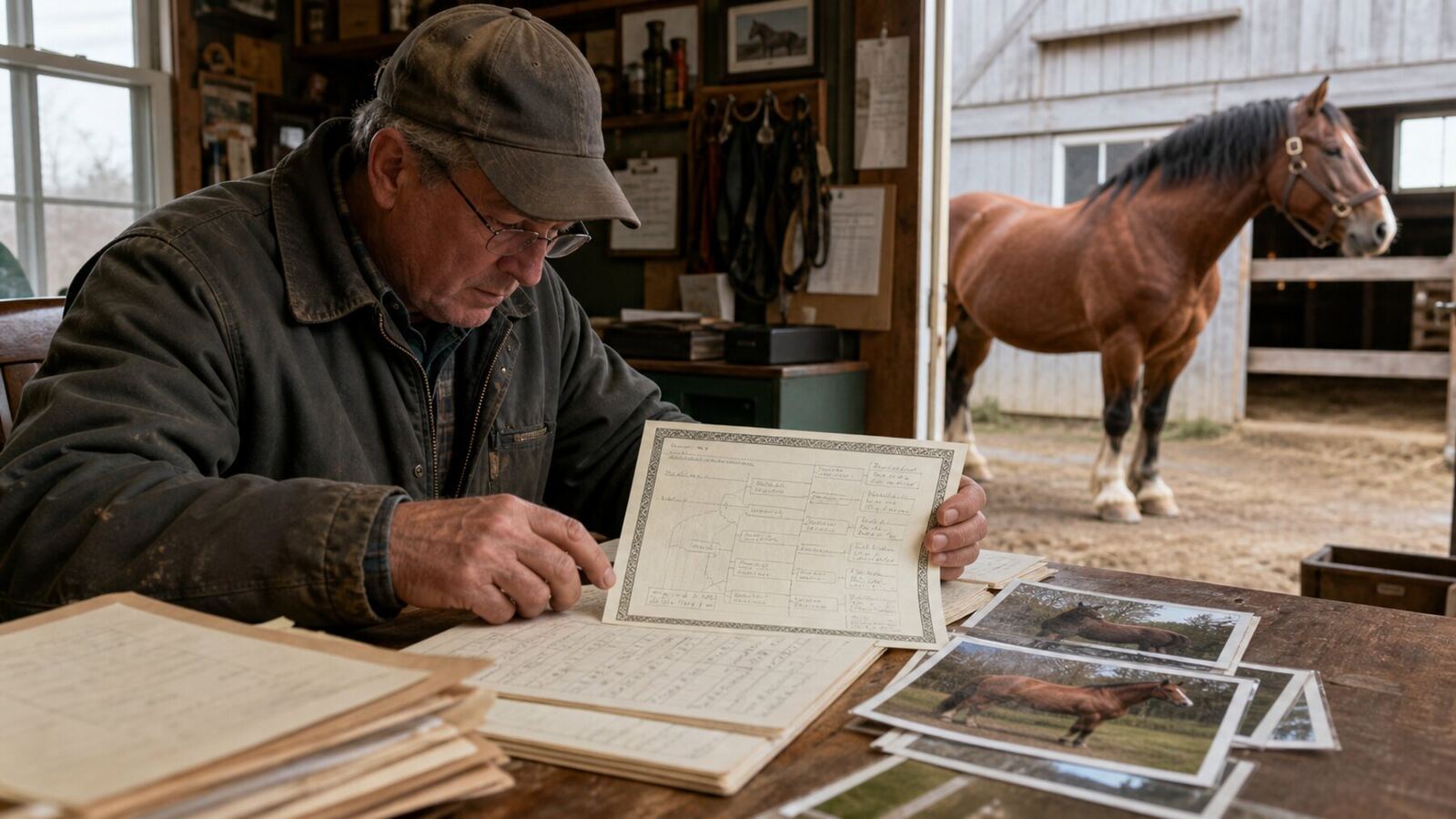
Read a Stallion Pedigree Without Myths
A practical method for checking identity, ancestry, conformation, health records and working evidence before choosing a draft stallion.
Read the guideBreeding decisions
Pedigrees, mare care, foaling preparation, young stock and the records that make breeding decisions easier to explain.
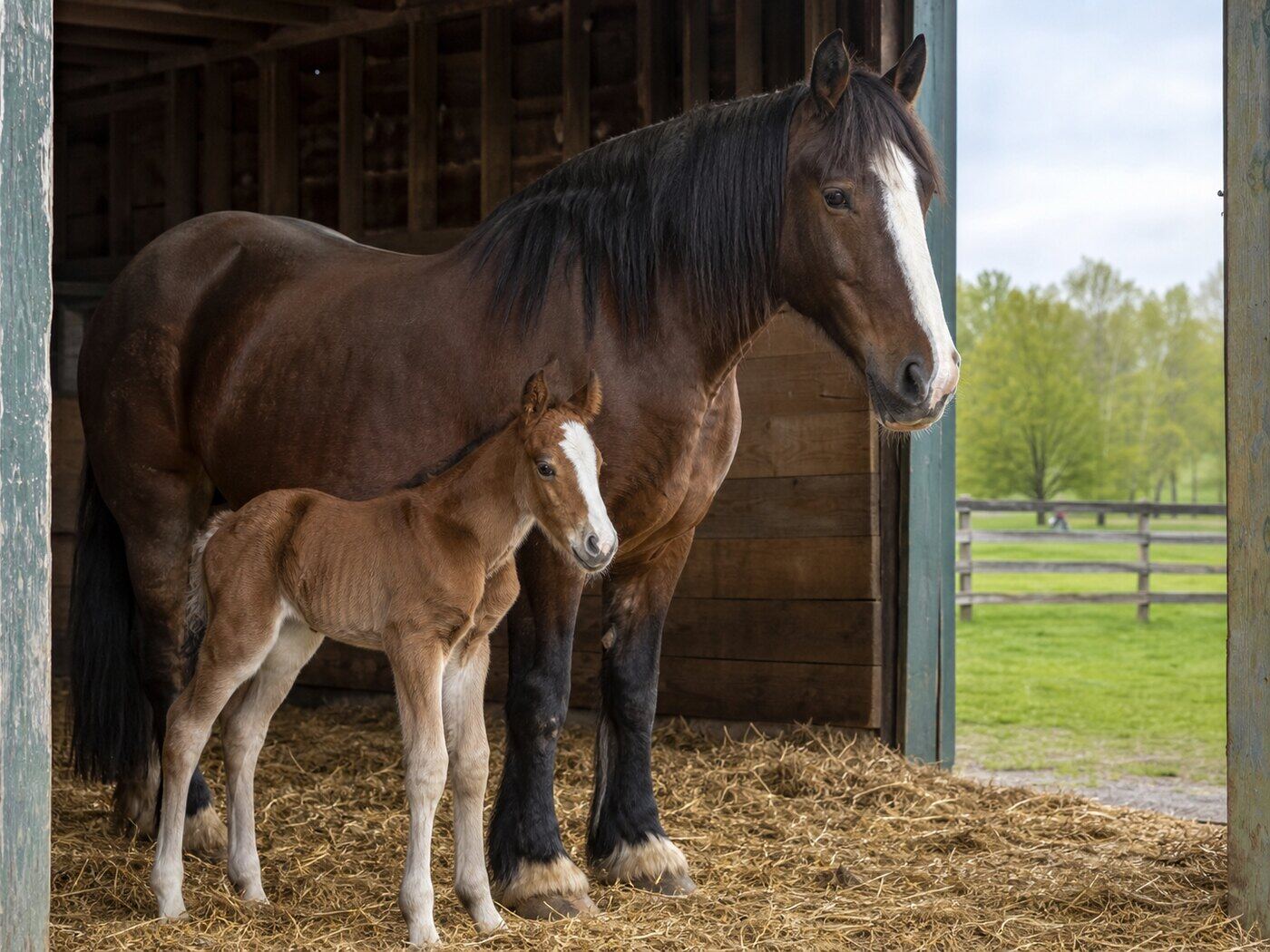
Breeding a draft horse is not a single choice made on pedigree day. It is a chain of decisions about identity, conformation, health history, temperament, intended work and the practical care available to mare and foal. This section turns those decisions into records that another breeder, veterinarian or future owner can follow.
Our guides separate registry requirements from farm custom and distinguish observations from guarantees. They are written for small breeders, established farms and readers comparing bloodlines, while keeping veterinary decisions where they belong: with the attending professional who knows the horse.
A useful breeding file connects the registered individual to photographs, examination dates, test results, service records and the outcome of earlier matings. It also records what is missing. That approach makes it harder for a fashionable ancestor, an isolated show result or an appealing color to carry more weight than the evidence supports. The pedigree guide in this collection gives a repeatable order for doing that work.
Foaling preparation follows the same principle. The important asset is not a crowded supply box but a known mare, a suitable space, clear observation times and an emergency route agreed with the veterinarian. Our foaling guide organizes those parts while leaving diagnosis and intervention with the professional responsible for the mare and foal.
Future additions will extend this record-based approach to young-stock handling, mare recovery, registry transfers and breed-history archives. Each subject will remain inside the broad breeding entrance so a reader or relevant farm business can understand its place immediately.
Field notes
A practical method for checking identity, ancestry, conformation, health records and working evidence before choosing a draft stallion.
Read the guide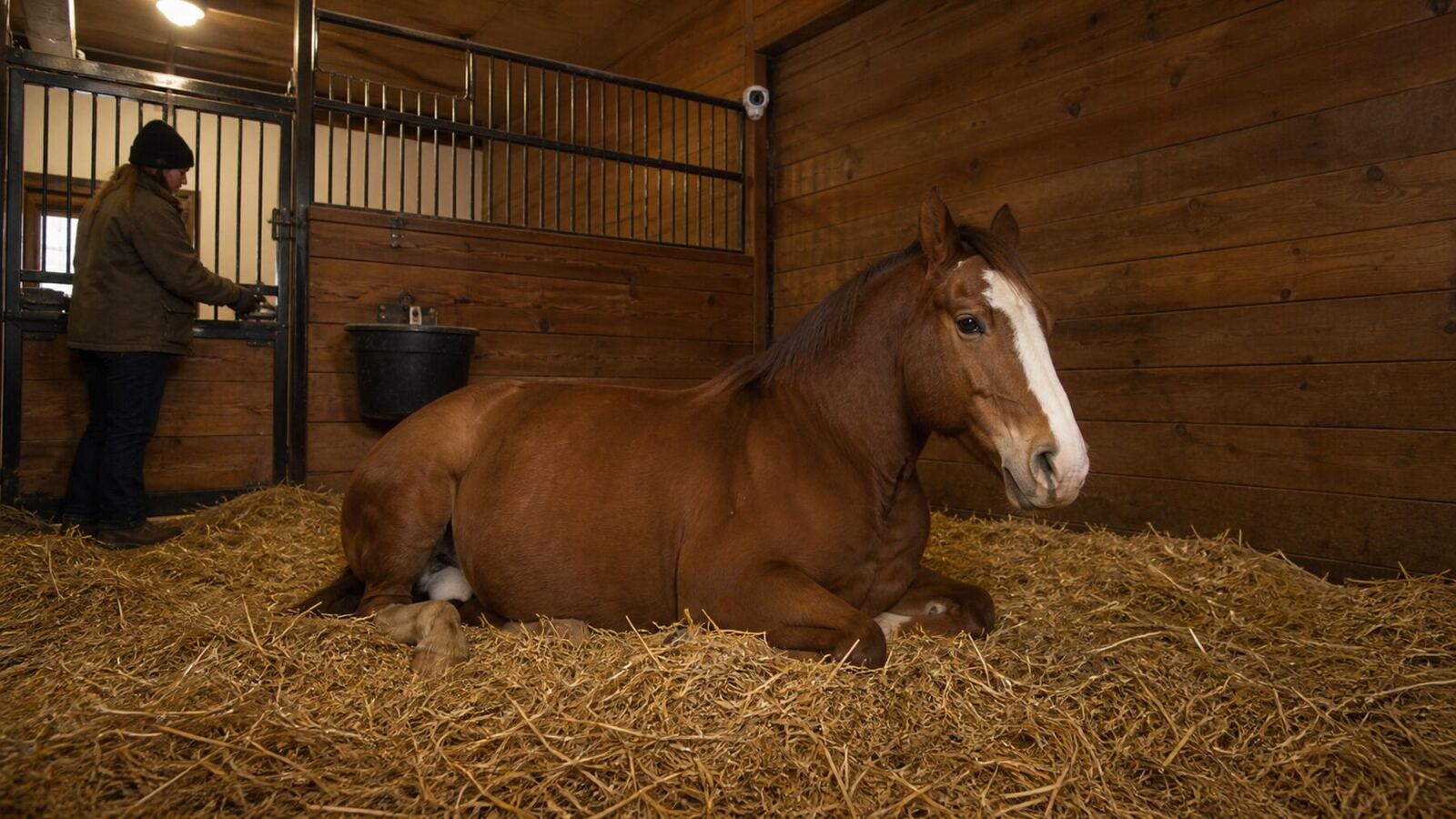
Organize the mare, foaling space, supplies, observation record and emergency contacts before labor begins.
Read the guide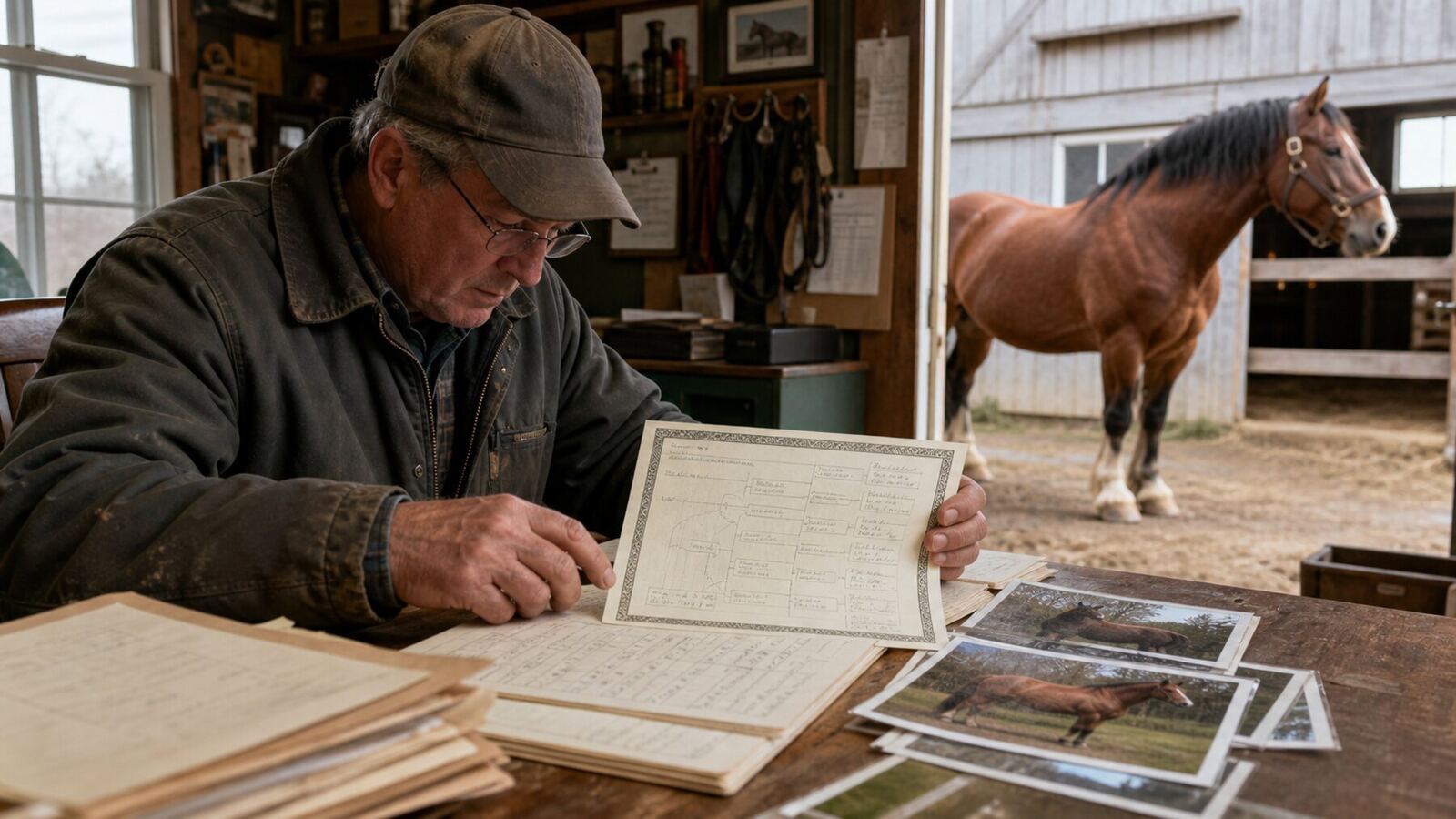
How Dutch collie owners read a pedigree, plan the puppy year and use FCI standards plus dated health tests before buying or breeding.
Read the guide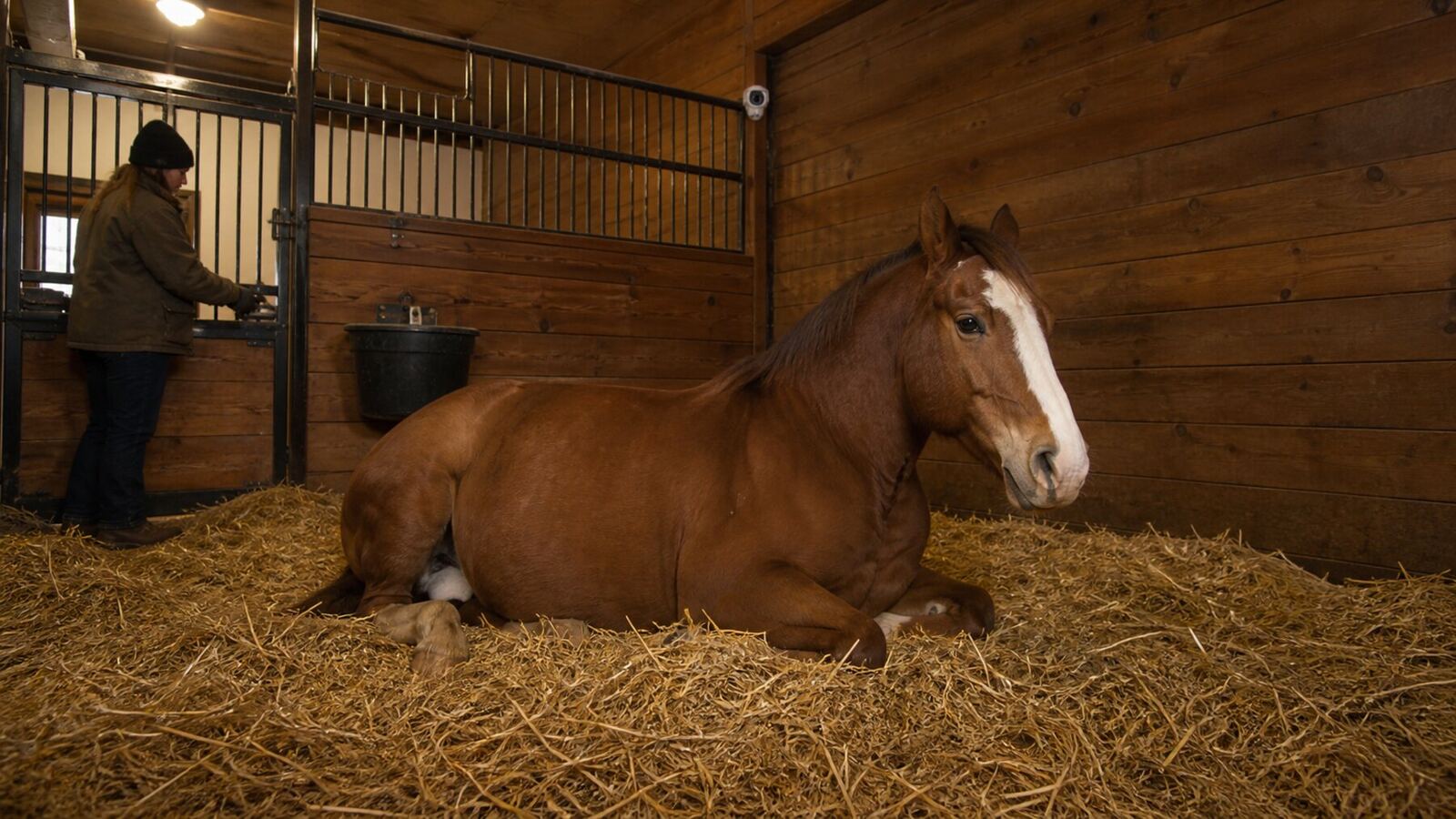
A field guide to the Kuvasz, the white Hungarian livestock guardian: FCI standard, early socialisation, and the health risks that matter in this breed.
Read the guide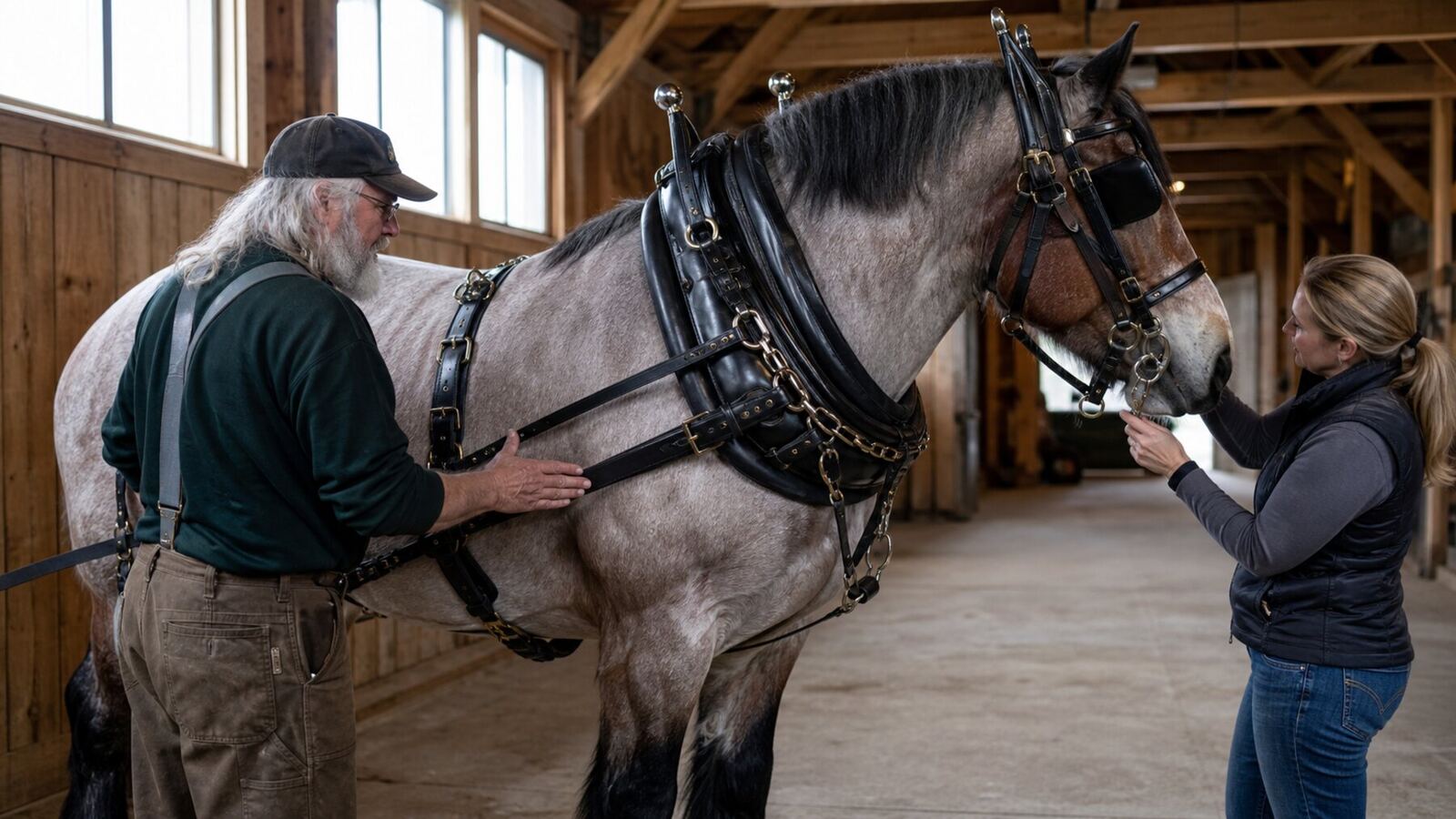
A plain guide to the American cocker spaniel: how it differs from the English cocker, first-year coat and health care, and how to judge a breeder and the
Read the guide