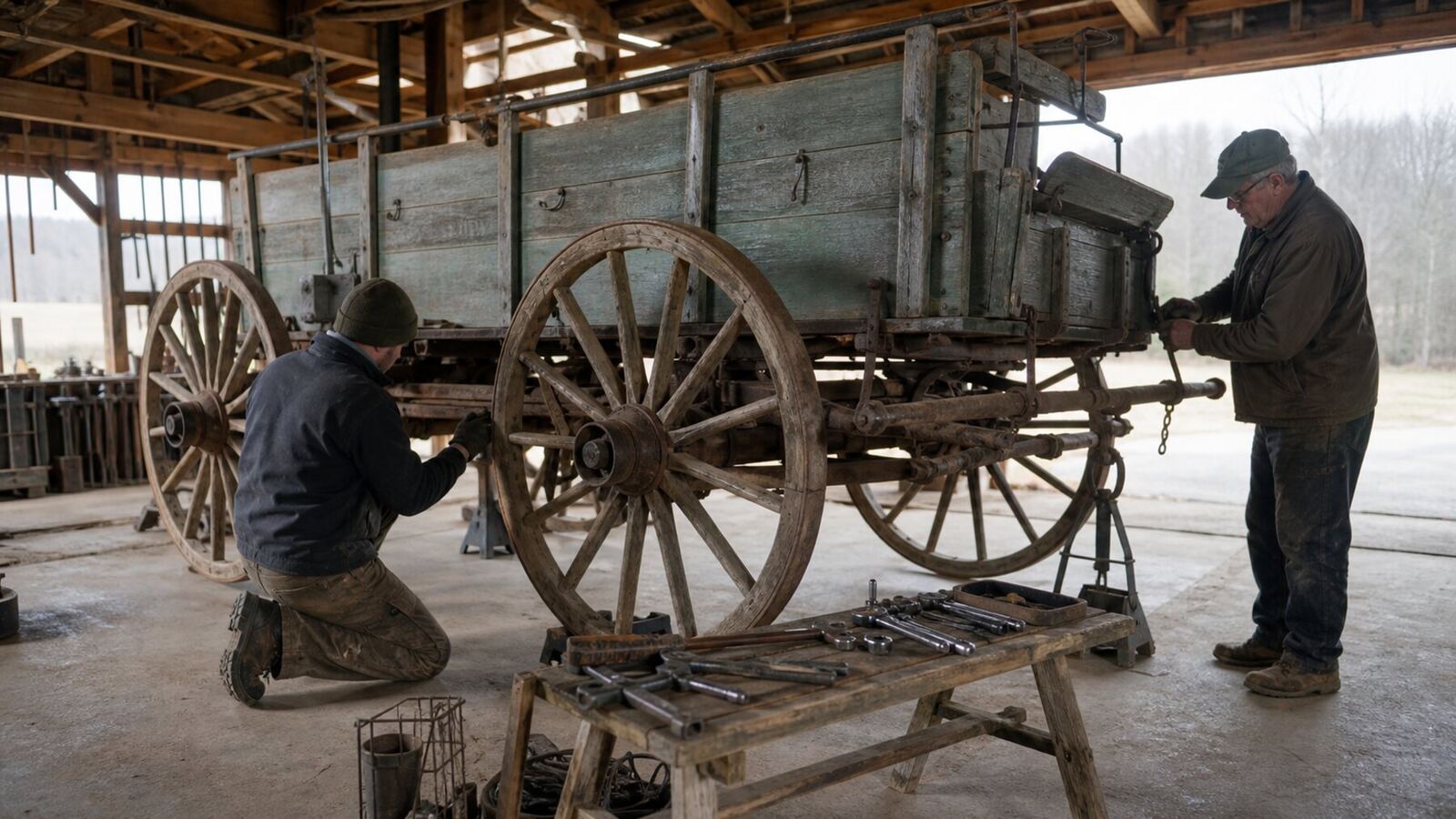
A public event day is decided the night before, not at the gate: check the heat and storm guidance for the real location, confirm access in writing, set the limits that keep the horse comfortable and keep staying home a legitimate outcome.
How do you check heat and storm guidance before an outdoor event?
Start with the forecast office rather than the event page. The National Weather Service issues heat advisories, excessive heat watches and thunderstorm outlooks for the ground where the event will actually run, and those notices carry more weight than a promotional flyer. Read the hourly forecast across the whole trailer window, not only the performance hour, and write down what you checked and when, so a later decision can be explained.
A local event guide shows how the same discipline works on the ground. The Second Street Almanac applies event-day weather guidance drawn from the National Weather Service to the street festivals of Athens, New York, pairing each date on the town calendar with heat and thunderstorm reading instead of leaving weather as an afterthought. A draft horse asks for the same discipline: decide the limits of the day before the trailer leaves the yard.
Set the tripwires in writing before the day: the heat index at which the horse stays home, the storm warning that cancels the appearance and the name of the person entitled to call it off. Heat builds slowly in a heavy horse; by the time a draft horse shows distress, the margin for correction is thin.
The same discipline applies beyond the trailer: a decision made the night before, limits set in advance, and a willingness to stay home. Owners weighing a second species often ask how one guide relates to another, and the answer is method, not subject. The buyer's primer on the American cocker spaniel follows that method: check conditions, ask the breeder direct questions, judge the parents, and know what the first month demands. Read it the way you read a forecast, before you commit, not after.
Event day planning and breed research share the same discipline: decide before you commit. The same site that hosts this event guide also publishes a field guide to the Kuvasz, the white Hungarian livestock guardian, covering the FCI standard, early socialisation, and the health risks that matter in the breed. If you keep a livestock guardian at home, that page answers the questions a public event day raises in another form: what the the Kuvasz breed standard requires, and what a first-time owner should expect. Read it before the season starts, not at the gate.

What access questions should you ask a venue before trailering?
Ask in writing, early enough to change the plan. Where does the trailer park, and on what surface? How far is the walk to the tie area, and does it pass through the crowd or behind it? When does the site open to animals, and when must they leave? Is water a tap, a brought tank or an assumption? Is there shade, and does the schedule include rest away from the public?
Confirm the paperwork in the same message: which health documents the fair or town expects, whether a negative Coggins or a health certificate travels with the horse, who the named contact is on the day and which number reaches them. An organizer who cannot answer access questions a week ahead is describing the day itself.
A public event day also produces the photographs people ask about afterward, and that part rewards the same preparation as the hauling. If you plan to shoot, read the venue rules on distance and flash before you go, then treat the camera work as a separate task from handling the horse. The guidance on photographing dogs and horses in motion covers exposure settings, shooting a horse at trot and canter from a respectful distance, and a sorting and archiving workflow for the files. Decide the night before who holds the lead rope and who holds the camera.
The same discipline of checking a standard and dated paperwork before you commit applies beyond horses. Breeders of other working animals ask the same questions: what does the written standard actually say, which health tests are current, and what does the first year demand. If you want to see how that reasoning looks in another species, a Dutch guide to the collie walks through pedigree reading, FCI standards and health tests before buying or breeding. The habit transfers: read the document, not the seller, and decide the night before.
Load, unload and settle without pressure
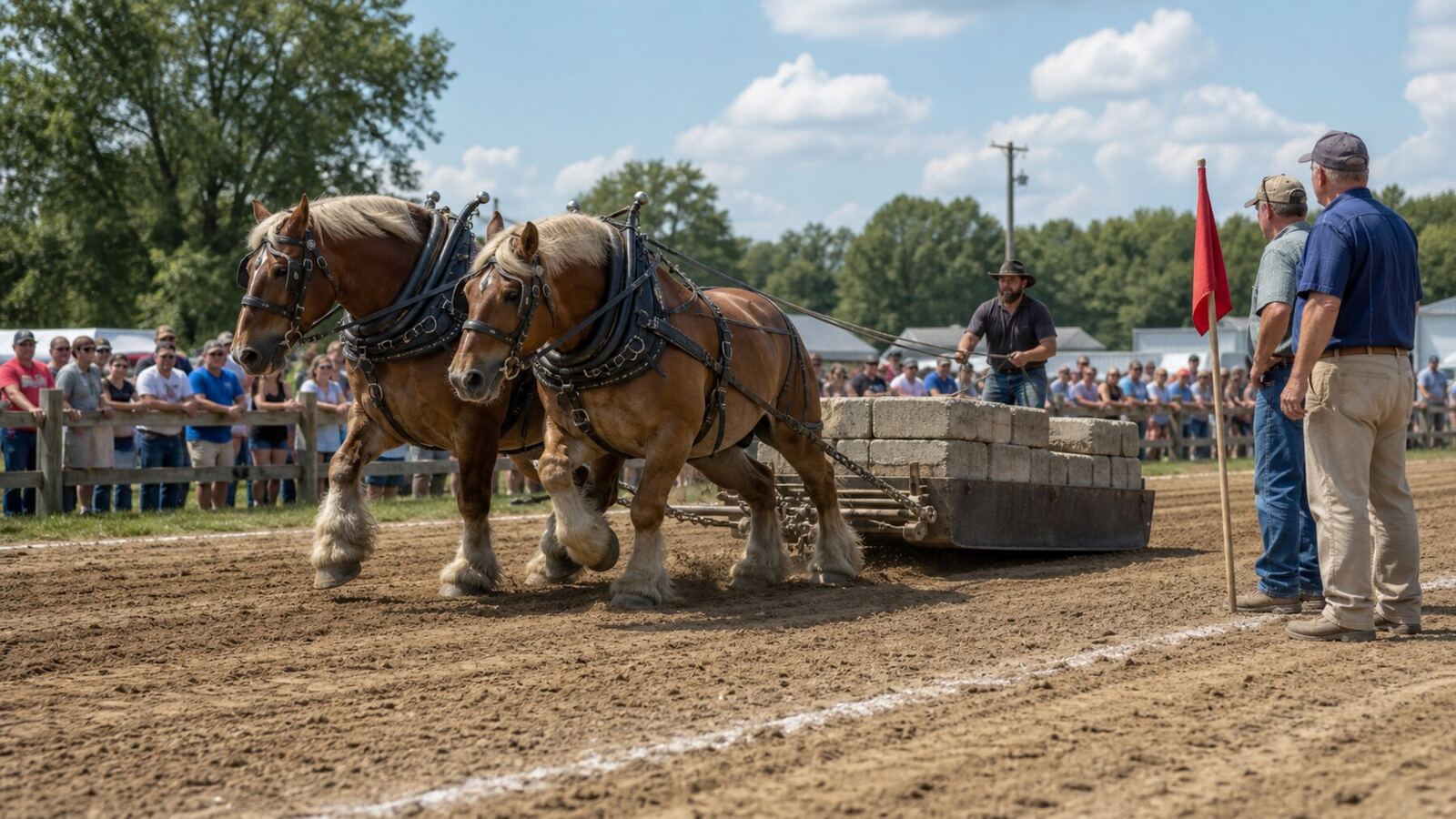
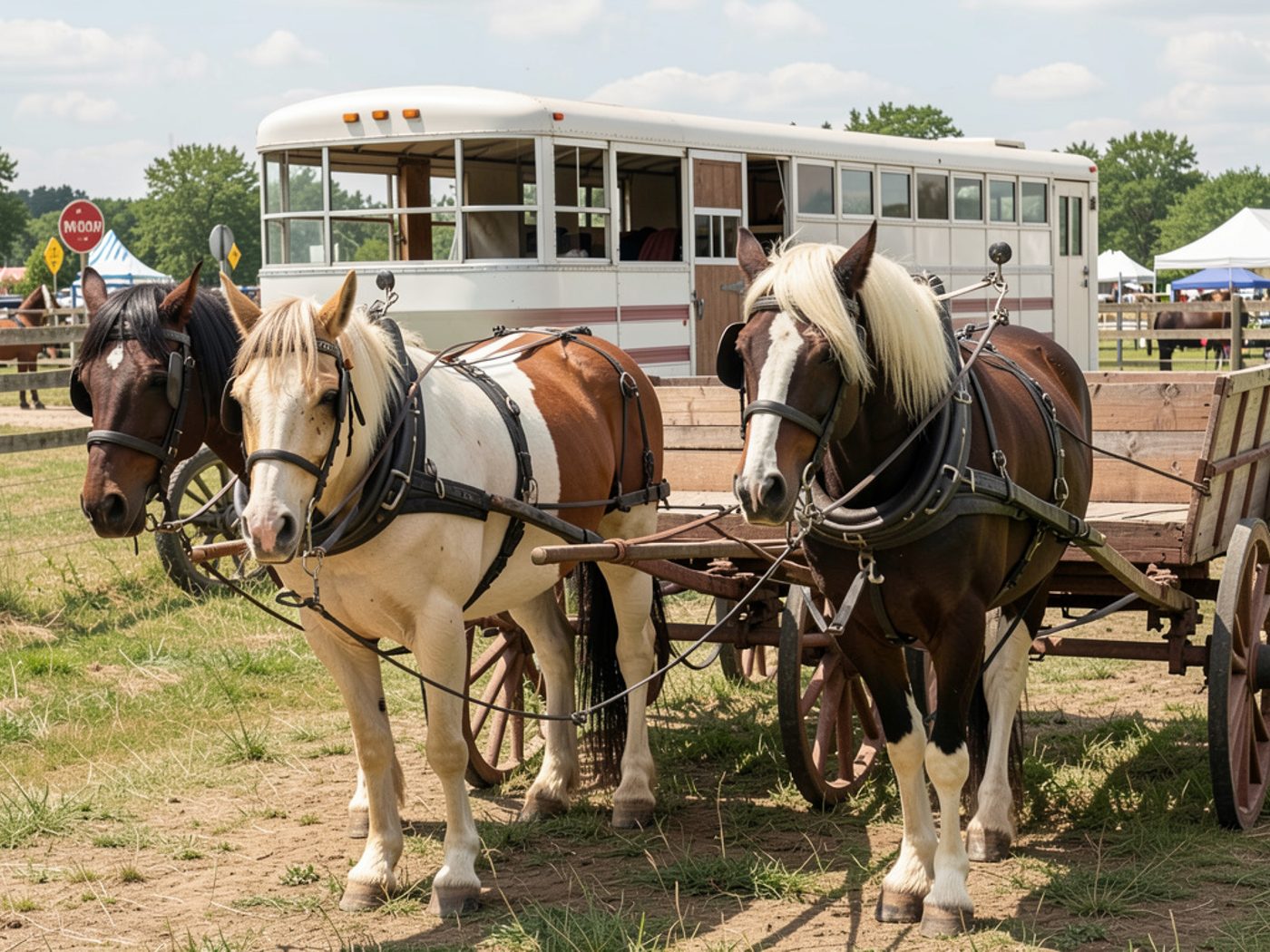
Arrive with margin rather than drama. A draft horse that loads quietly at home can hesitate beside generators, compressors and balloon banners, so choose the unloading spot before the crowd thickens. Keep the ramp clear, give the horse time to read the ground and accept that a slow five minutes at the trailer costs less than a frightened one.
Once parked, build a base: water offered on a schedule rather than only when remembered, hay within reach, harness checked for heat under the collar and one person assigned to watch the horse while the others talk to the public. Event days reward boring routines.
The same habit of checking before committing applies away from the trailer. Owners who also keep a Belgian shepherd in Germany face a comparable paper trail: breed recognition, working titles, and rules that vary by region. The field guide to the Belgian Tervueren in Saarland sets out the FCI standard, which papers matter, and how the work ladder runs from BH-VT to IGP, alongside the local rules owners meet. If that describes your household, read Belgian shepherd papers in Germany before you enter anything.
Readers sometimes ask how this page connects to the rest of the site. The link is method, not subject: both pages ask you to gather facts before you commit. Here the facts are weather, access and the ride home; elsewhere they concern study routes and entry rules, as in Tierheilpraktiker training in Germany, which sets out entry without Abitur, curriculum and study form. Same habit either way: read the guidance, write down your limits, and treat staying home as a real answer.

When is a public event day a bad day for horses?
A bad day is one where the conditions confirmed in writing no longer exist: a heat advisory issued overnight, storms building on the radar before the hitch hour, parking moved to soft ground or a schedule that quietly doubles the standing time. Renouncing is not a failure of preparation; it is the product of it. The written tripwires from the weather check exist so that cancelling is a decision rather than an argument made beside a stamping horse.
If the horse travels anyway, read the early signs rather than the schedule: reluctance to stand quietly, a changed sweat pattern or a slowed answer to a known cue. Those observations justify an early exit more defensibly than any quota of public contact.
The same discipline of reading a venue before committing applies off the horse as well. A public event day is decided the night before, not at the gate: check the heat and storm guidance for the real location, confirm access in writing, set the limits that keep the horse comfortable and keep staying home a legitimate outcome. That habit of checking rules, access and conditions in advance is not unique to horses. British working dog trials walk a newcomer through novice spaniel classes, sheepdog outruns and a first canicross or bikejor season, and where those rules come from.
Plan the ride home before you arrive
The exit belongs to the welfare plan. Know where the trailer will stand at the end of the day, whether departure conflicts with the crowd peak and who clears a path if the horse must leave early. Check the return forecast too: a storm arriving at breakdown time is still a storm.
After the event, write down what the day actually cost the horse: loading stress, standing hours, heat, water taken. Put that record beside what the organizer promised and delivered. It makes the next invitation much easier to judge.
The same habit of checking before you commit applies away from the trailer. Reading ground for kangaroo and wallaby signs is a separate skill from reading a venue, yet both reward the owner who looks first and moves slowly. That guide covers tracks, scats, burrows and calls, and it repeats the distance rule that keeps wildlife and people calm. Neither page tells you what your horse will accept on the day. Confirm the forecast, the access and your own limits, and treat staying home as a real answer.
Sources and further reading
Documents used for this guide
- National Weather Service heat safety guidance
- National Weather Service: recognizing heat illness
- University of Maine Cooperative Extension: horse-drawn wagon ride safety
Rules and recommendations can change. Check the linked publisher and the professional responsible for the individual horse before acting.